
 EN
EN ES
ES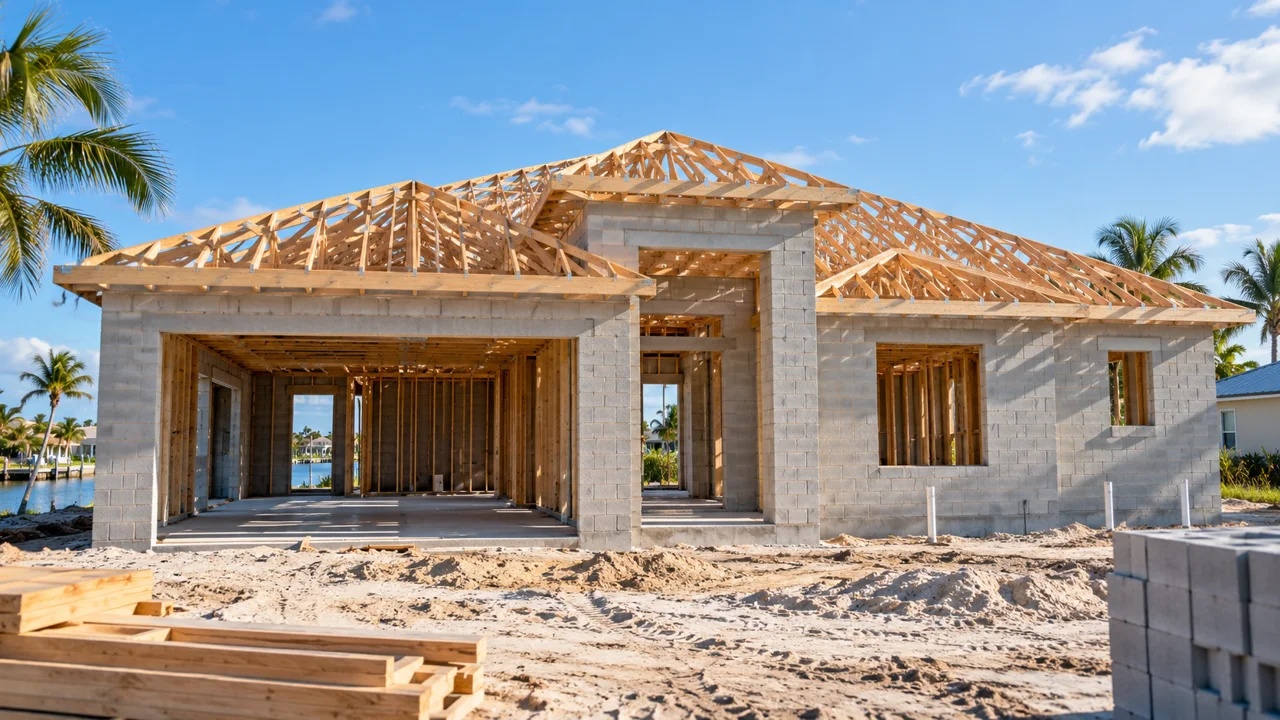
A lot and a finished house are different transactions
Lehigh Acres buyers may compare existing homes with a lot plus a build. If you are building, clarify who owns the lot, whether its value can be considered, which contractor and plans are involved, and when construction draws will be released. A construction loan may have different costs and payment timing from a loan on a finished home.
Request a realistic project budget that includes site work, permits, contingencies and time for delays. Discuss the proposed structure with a loan originator before signing a builder agreement. Not every construction program finances every lot or builder.
Budget for the future finished property
Estimate taxes using the proposed value of the completed home, not only a vacant lot’s current bill. The Lee County Property Appraiser offers a buyer tax estimator. Ask an insurance agent what coverage is required during construction and after completion.
For an existing home, the same principle applies: verify taxes and insurance for your purchase rather than copying the seller’s numbers into a payment calculator.
Keep reserves for changes
Construction expenses can change after an inspection or design revision. Ask about your responsibility for overruns and how a delay affects the loan or rate lock. On a finished home, reserve money for repairs and ordinary ownership expenses after closing.
Bring the lot information, contract or construction plans, income records and target completion date to the first financing conversation. A clear document plan can prevent avoidable deadline surprises.
Further reading
General information only. Programs, eligibility and costs vary. This article is not a loan offer, approval, rate quote or financial advice.
See construction and renovation options · All articles · Contact Len